
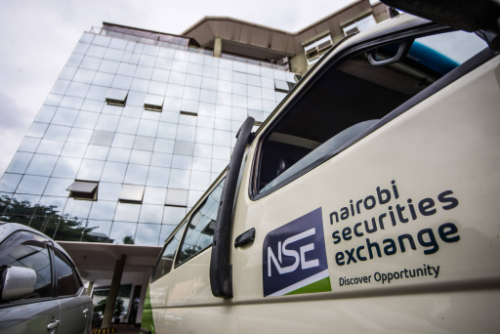
In a historic moment for East Africa’s financial hub, the Nairobi Securities Exchange (NSE) 20 Share Index has officially shattered the 4,000-point ceiling, closing at 4,006.42 points.
This marks the first time in nearly nine years that the benchmark index has breached this psychological barrier. Considering the index fell to a bottom of 1,461 points in late 2023, this rebound represents a turnaround for Kenyan equities, signaling renewed investor confidence, strong institutional demand, and a macroeconomic environment that is finally favoring risk-on assets.
Market Snapshot: The Numbers at a Glance
The market rally is reflected across broader market indicators:
- NSE 20 Share Index: Crossed 4,006.42 points (+59.8% year-on-year growth).
- NSE All-Share Index (NASI): Sitting near 231.71 points, boasting a Year-To-Date (YTD) gain of over 24%.
- Total Market Capitalization: Currently standing at KSh 3.88 Trillion, up from historic lows and making a swift run toward the NSE leadership's ambitious KSh 5 Trillion target by year-end.
- Banking Sector Index: Up nearly 30% YTD, serving as the primary growth engine for the broader market rally.
What’s Driving the Bull Run?
This surge isn't just a sudden flash in the pan; it is the culmination of several structural and macroeconomic factors aligning over the past few quarters:
1. The Banking Sector Powerhouse
Kenya’s commercial lenders have continued to deliver earnings results and strong dividend yields. Heavyweights like Equity Group, KCB Group, Co-operative Bank, Absa Kenya, NCBA, and Standard Chartered have seen massive investor accumulation. High interest margins over the past year, combined with falling non-performing loan ratios, have positioned banks as the top pick for institutional portfolios.
2. Stabilization of the Kenyan Shilling & Macro Recovery
Currency stability and easing inflation have removed major foreign exchange risks that previously deterred foreign portfolio capital. As central bank policy rates begin to ease globally and locally, capital is naturally shifting out of high-yielding fixed income and sovereign treasury bonds back into equity markets.
3. Resurgent Foreign & Institutional Inflows
Foreign investors, who largely remained on the sidelines between 2021 and 2023, have resumed net-buying positions in blue-chip tickers such as Safaricom and EABL alongside top-tier banking stocks.
4. Strategic NSE Reforms & Private Sector Pipeline
Under the direction of NSE leadership, the exchange has pursued initiatives to unlock liquidity. Efforts to facilitate private equity exits, onboard family-owned enterprises, and expand specialized instruments (such as REITs, Sukuk bonds, and derivatives) are broadening market depth and boosting overall capitalization.
"The growth momentum has seen the NSE surpass the Sh3.88 trillion mark, driven by enabling private equity funds and DFIs to exit portfolios while onboarding more family-owned businesses."
— Frank Mwiti, CEO, Nairobi Securities Exchange
Top Performers Leading the Charge
While the banking giants take center stage, several key counters across various sectors have posted gains:
- Commercial Banks: Equity Bank, KCB, and NCBA have registered high liquidity and steady price appreciation.
- Telecom & Heavyweights: Safaricom continues to maintain strong trading volumes, underpinning the broader All-Share Index.
- Agricultural Tickers: Stocks like Williamson Tea, Kapchorua Tea, and Kakuzi have seen strong interest off the back of solid commodity yields and cash dividends.
What This Means for Local Investors
For local retail and institutional investors who weathered the long bear market between 2018 and 2023, the 4,000-point milestone validates patience and long-term holding strategies.
- Shift from Fixed Income: With Treasury Bill yields cooling off, equity markets are once again providing superior total returns (capital appreciation + dividend yield).
- Wealth Generation: Increased market valuation directly restores household wealth, boosts pension fund asset valuations, and creates liquidity across local capital markets.
The Road Ahead: Can the Rally Hold?
While breaking 4,000 points is a major technical achievement, sustaining these levels will depend on continued corporate earnings growth, consistent foreign capital retention, and fiscal stability.
If the NSE maintains its current trajectory, reaching the KSh 5 Trillion market capitalization target could shift from an ambitious goal to a reality before the end of the year.
link text


